The Valencian Community covers a wide strip of eastern Spain, from the Pyrenean foothills of the Maestrazgo in the north to the salt lakes of Alicante in the south. The result is an unusually varied mix of habitats within a compact area: Mediterranean wetlands, limestone mountains, coastal scrub, rice paddies, vineyards and dry steppe. For birdwatching in Spain, this variety makes Valencia one of the most productive regions on the Mediterranean coast.
What follows is a habitat-by-habitat guide to the birds that bring visiting birders — particularly from the UK and North America — to this part of Spain.
Wetland birds
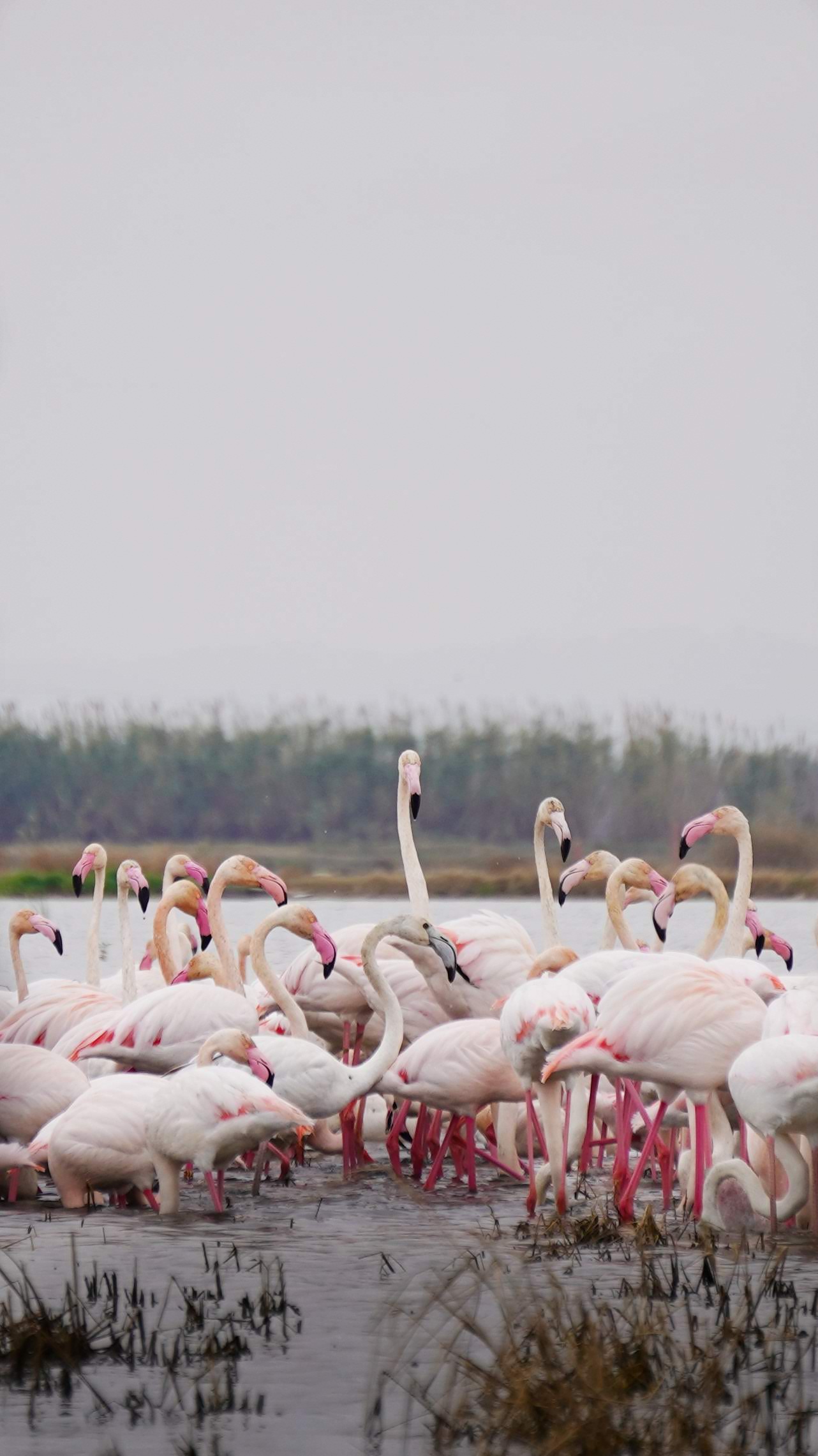
La Albufera is the centrepiece. The lagoon and surrounding rice fields hold species that are difficult to find elsewhere in western Europe. Marbled Teal (Marmaronetta angustirostris) and White-headed Duck (Oxyura leucocephala) are both globally threatened and present in small numbers. Purple Swamphen is abundant and conspicuous. Greater Flamingo is present through most of the year, with peak numbers in winter.
The Pego-Oliva marshes, near the border with Alicante, are less visited but consistently productive. Little Bittern, Purple Heron and Eurasian Bittern breed here, and the area holds one of the most reliable Moustached Warbler populations in Spain.
Mountain raptors
The interior ranges — Sierra Espadan, Ports de Beseit, Serrania de Cuenca — hold several raptor species that are uncommon elsewhere in Europe. Bonelli's Eagle (Aquila fasciata) is the signature bird: a powerful, fast-moving eagle that hunts rabbits and partridges over open terrain. It is resident and territorial, so sites are reliable year after year.
Golden Eagle, Peregrine Falcon, Eagle Owl and Short-toed Eagle are all present in the mountains. Griffon Vulture can be seen in good numbers along the river canyons of the Maestrazgo, where colonies nest on the limestone cliffs.
Farmland and steppe
The agricultural interior — particularly the plains around Buñol, Requena and the Meseta Valencia — supports an increasingly threatened suite of farmland birds. Calandra Lark and Thekla Lark are common where cereal cultivation persists. Stone Curlew is resident and can be heard calling at dusk. Little Bustard and Montagu's Harrier breed in small numbers on undisturbed steppe.
Scrub and coastal birds
Sardinian Warbler is the default warbler in any dense Mediterranean scrub — loud, dark-capped and present year-round. Dartford Warbler is patchier but findable on dry hillsides with cistus. Black-eared Wheatear arrives in April on stony ground along the coast and through the interior passes.
On the coast itself, Audouin's Gull is increasingly easy to find around the port of Valencia and at the Albufera outlet — it breeds on the Columbretes Islands and feeds along the mainland coast. Pallid Swift replaces Common Swift in urban areas from April onwards.
Summer visitors
From April, the region fills with summer migrants. European Bee-eater is perhaps the most visually striking — colonial, noisy and present in good numbers in sandy-banked river valleys. Hoopoe is widespread in open country and gardens. Roller and Red-footed Falcon appear during migration and occasionally stay to breed in the north of the region.
A note on planning
Valencia's birds are spread across habitats that can be 100 kilometres apart. A single morning at Albufera and an afternoon in the mountains are possible in one day, but the birds you see and the conditions you encounter are very different. The most productive visits are those where the itinerary is built around specific target species and their peak seasons rather than a generic tour of sites.
We design birdwatching days and multi-day itineraries in Valencia tailored to your target species and available time — from a half-day at Albufera to a week in the mountains.
Plan a trip with a guide