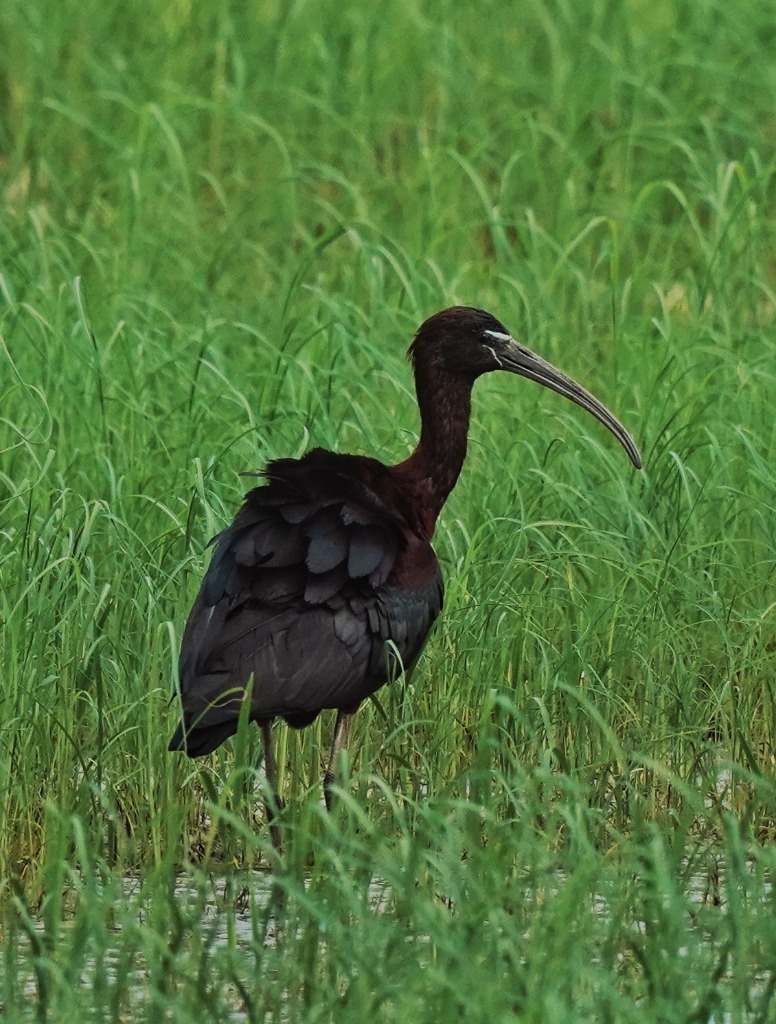
Spain is one of the few countries in Europe where serious birdwatching is productive in every month of the year. The Iberian Peninsula sits at the crossroads of African and European avifaunas, and the Mediterranean coast in particular acts as a corridor for migrants moving north and south twice a year. That said, what you see varies considerably by season, and planning your trip around your target species makes a significant difference.
This guide focuses on Valencia and the eastern Mediterranean coast, though much of it applies to Spain more broadly.
Winter: January and February
These are the best months for wetland birding. La Albufera holds its highest waterbird counts, with Greater Flamingo numbers sometimes exceeding 2,000 birds. Wildfowl are well represented — Shoveler, Teal, Pintail and Wigeon are all common, and this is the most reliable window for White-headed Duck and Marbled Teal.
The weather is mild on the coast (10–16°C), making it comfortable for early morning starts. Resident raptors are active and easy to observe, with less vegetation cover than in summer. Griffon Vulture, Bonelli's Eagle and Eagle Owl are all more visible.
Late winter and early spring: March
March is a transitional month. Winter visitors are still present in good numbers, while the first spring migrants begin to appear — early Swallows, Wheatears and Black Kite. The rice fields start to show signs of preparation for planting, attracting herons and egrets. This is a productive and underrated month for birdwatching in Spain.
Spring: April and May
The peak season for variety. Resident species are in full breeding activity, and passage migrants — sometimes in large numbers — move through the coastal scrub and fields. European Bee-eater arrives in mid-April, usually announcing itself before it's seen. Roller, Hobby and Black-winged Kite appear from April onwards.
The reedbeds at Albufera are active with singing Great Reed Warbler, Moustached Warbler and Little Bittern. May is exceptional for passerine migration through coastal scrub — Flycatchers, Redstarts, Whinchats and Sylvia warblers pass in waves during favourable weather.
Summer: June, July and August
The hottest months are not the quietest. Breeding birds are present and active in the early morning, and the Bee-eater colonies are at their most spectacular in June and July. Terns are feeding offshore and at the lagoon. Shorebird return migration begins in late July, and by mid-August the first Curlew Sandpiper, Dunlin and Ruff appear on the mudflats.
The main limitation is heat — afternoon temperatures regularly reach 35°C on the coast. Effective birding means early starts and a rest in the middle of the day.
Autumn: September and October
The rice harvest brings the rice fields to life. As the fields are flooded and drained in sequence, they attract large concentrations of waders, herons and egrets. Black Stork, Osprey and various raptors pass through on autumn migration. This is the best period for wader diversity at Albufera, and mountain raptors are highly visible on still, sunny days.
Late autumn: November and December
Flamingo and wildfowl numbers build through November and December as birds arrive from northern wintering grounds. The light is good, the weather is stable and the wetlands are full. A December day at Albufera or Pego-Oliva can be as productive as any spring visit, with fewer people and more predictable bird locations.
Summary: best months by target
- Flamingos and wildfowl: November to March
- Breeding waterbirds (herons, terns, warblers): April to June
- Bee-eaters and summer migrants: April to August
- Waders and autumn migration: July to October
- Raptors (Bonelli's Eagle, Griffon Vulture): year-round, best October to March
- Passerine migration: April–May and September–October
If you're trying to fit a birdwatching trip to Valencia around a specific travel window, we can help design an itinerary based on what's likely to be present and active during your dates.
Plan your trip