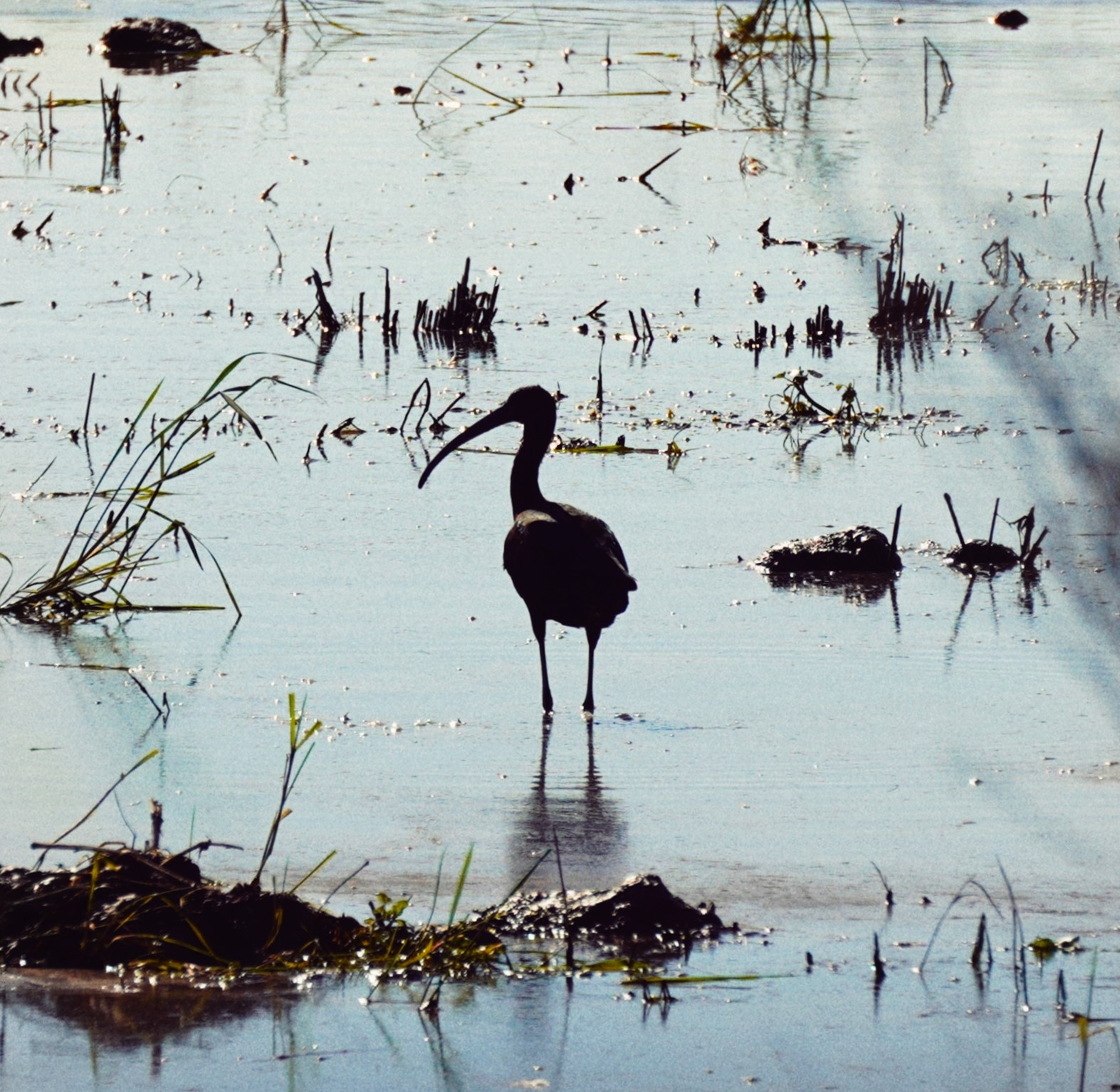
La Albufera de Valencia sits 10 kilometres south of the city, separated from the Mediterranean by a narrow strip of dunes and pine forest. The lagoon covers around 21,000 hectares and holds water year-round, fed by irrigation channels from the surrounding rice fields. It is one of the most productive wetlands on the Mediterranean coast and a reliable destination for birdwatching in Spain.
Over 250 species have been recorded here. The combination of open water, rice paddies, reedbeds, dunes and coastal scrub means that almost every habitat type relevant to wetland birding is represented within a few kilometres.
Key species
Year-round residents
The Purple Swamphen (Porphyrio porphyrio) is the most iconic bird in the park — large, flamboyant and conspicuous in the reedbeds. It is present throughout the year and usually easy to find at El Racó de l'Olla, the main visitor centre on the lagoon's eastern edge.
The Greater Flamingo (Phoenicopterus roseus) is visible in most months, though numbers fluctuate. The largest concentrations occur between November and March, when several thousand birds can gather on the shallow southern end of the lagoon.
Species of conservation concern
The Marbled Teal (Marmaronetta angustirostris) breeds at Albufera in small numbers — this globally threatened duck is one of the most sought-after birds in European wetland birding. The White-headed Duck (Oxyura leucocephala) winters here occasionally, usually in the deeper channels near El Palmar. Neither species is guaranteed, but Albufera is one of the best places in Spain to look for both.
Seasonal highlights
In spring and early summer, the reedbeds hold breeding Purple Heron, Night Heron, Squacco Heron and several warbler species including Great Reed Warbler, Moustached Warbler and Cetti's Warbler. Black-winged Stilts and Collared Pratincoles breed on the open mudflats.
Autumn — from September through November — is when the rice harvest begins and the fields flood in sequence, creating temporary feeding grounds that attract thousands of waders and herons. This is arguably the most dynamic time of year at Albufera.
Best spots for birdwatching at La Albufera
- El Racó de l'Olla — the main reserve within the park, free to enter, with hides overlooking shallow lagoons and reedbeds. Best in early morning.
- Tancat de Milia — a restored rice field on the western margin with managed water levels. Excellent for shorebirds and wildfowl in autumn and winter.
- El Palmar — the traditional fishing village on the lagoon edge, with boat trips and direct access to open water. Good for ducks and grebes in winter.
- The rice fields south of Sollana — productive for raptors, herons and White Stork during the rice harvest (September–October).
When to visit
Albufera is worth visiting in any month. The wetland holds water year-round, which gives it consistent bird numbers even in summer, when many Spanish wetlands dry out. That said, the period from October to March offers the greatest diversity — wildfowl are at their peak, flamingos are numerous and conditions are comfortable for walking and watching.
Spring (April–May) is the best time for breeding waterbirds and passing migrants. Summer is quieter but Bee-eaters, Terns and breeding Herons keep things interesting.
Getting there
El Racó de l'Olla is reachable by bus from Valencia city centre (line 25 from Pl. Porta de la Mar). By car, the park entrance is just off the CV-500 road south of the city. Parking is free at the visitor centre.
We run private birding days at La Albufera designed around specific species and seasonal conditions — including early access to the reserve before other visitors arrive.
Book a guided day